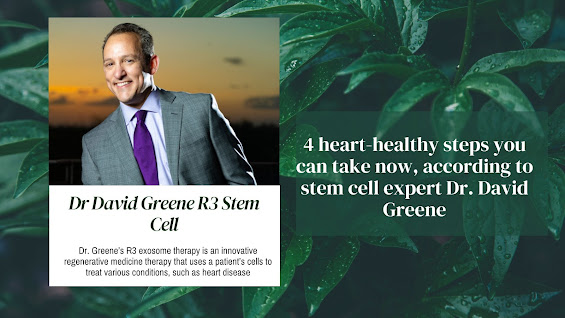
Dr David Greene R3 Stem Cell: Rethinking What Progress Means in Regenerative Care
For someone dealing with ongoing joint discomfort or reduced mobility, progress can mean something very different from simply having a pain-free day. It might mean walking through a grocery store without needing a break, getting back to a favorite hobby, or feeling confident enough to exercise again. This focus on practical improvement is one reason interest in Dr David Greene R3 Stem Cell and regenerative medicine continues to grow.

Looking Beyond a Single Pain Score
Traditional conversations about musculoskeletal problems often revolve around one question: “How much does it hurt?” While pain is important, it tells only part of the story.
Mobility, strength, stability, endurance, and the ability to perform everyday activities can be equally meaningful. A person may still experience occasional discomfort while noticing that stairs are becoming easier or that they can walk farther than before.
Regenerative care encourages a broader view of progress. Instead of expecting an overnight transformation, patients can look for gradual functional changes that matter in everyday life.
Starting With the Person, Not Just the Problem
Another important aspect of the Dr David Greene R3 Stem Cell conversation is individualized planning. Two people with similar knee or shoulder concerns may have completely different lifestyles and expectations.
One patient may want to return to recreational sports, while another simply wants to move comfortably around the house. Age, previous treatments, overall health, activity level, and the nature of the condition can all influence the care plan.
This is why proper evaluation is so important. Regenerative therapies are not automatically suitable for everyone, and responsible care should begin by determining whether an individual is an appropriate candidate and discussing available alternatives.
Recovery Is an Active Process
Treatment itself is only one stage of the journey. What happens afterward can be equally important.
Depending on clinical guidance, recovery may include temporary activity modifications followed by a gradual return to movement and strengthening. Follow-up appointments can help evaluate changes in function and determine whether the recovery plan needs adjustment.
Patients can also pay attention to practical milestones. Are daily movements becoming easier? Is confidence improving? Are previously avoided activities becoming manageable again? Tracking these changes creates a more realistic picture of progress than focusing exclusively on discomfort from one day to the next.
Making an Informed Decision
Anyone researching Dr David Greene R3 Stem Cell should approach regenerative medicine with thoughtful questions. What therapy is being proposed? Why is it appropriate for the particular condition? What evidence supports its use? What are the potential risks and alternatives? How will progress be evaluated?
These questions matter because regenerative medicine is an evolving field, and outcomes can vary considerably between individuals. No responsible treatment should be presented as a guaranteed cure or universal alternative to surgery.
A More Meaningful Definition of Success
Ultimately, regenerative care is not just about treating a painful body part. For the right candidate, the bigger objective may be helping support function and creating a structured path toward greater activity.
That is what makes the discussion around Dr David Greene R3 Stem Cell relevant to people researching their options. The most meaningful progress may not happen all at once. Sometimes it appears through small victories another block walked, an easier staircase, a return to exercise, or simply greater confidence in movement.
And those small victories can add up to something much bigger: getting more of everyday life back.


Comments
Post a Comment