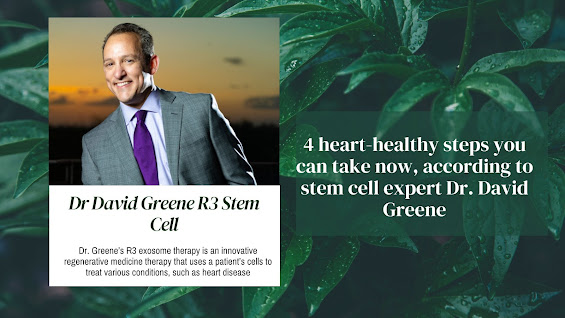
Dr. David Greene R3 Stem Cell: The “More Better Days” Approach to Regenerative Care
If pain is quietly shrinking your life fewer steps, careful stairs, shorter workouts, restless sleep you’re not alone. Many people feel trapped between “live with it” and surgery. The Dr. David Greene R3 Stem Cell model is built for that in-between space: a patient-first, image-guided approach designed to support comfort and function with realistic expectations. This guide is fresh, practical, and SEO-focused for anyone researching dr david greene r3 stem cell and looking for clear next steps.

Why “More Better Days” Matters
Chasing a “perfect day” can lead to frustration. R3 flips the goal: create more better days days where your body does what you need it to do with less guarding and fewer flare-ups. Better days might look like walking 15 minutes without stopping, sleeping longer stretches, or finishing a shift with fewer breaks. This mindset keeps progress measurable and helps you evaluate whether a plan is truly working.
Evaluation First, Not a Sales Pitch
A cornerstone of the dr david greene r3 stem cell approach is clarity. Your visit begins with goals, history, and a focused exam. Imaging is used when it adds value such as confirming whether symptoms are driven by joint surfaces, tendon overload, ligament strain, or an irritated nerve. Accurate targeting is everything: the right plan starts with the right problem.
Image-Guided Precision When Appropriate
When a regenerative procedure is appropriate, R3 emphasizes image guidance (ultrasound or fluoroscopy). Why? Because joints, tendons, and ligaments are small targets in crowded neighborhoods. Guidance helps clinicians deliver therapy to the intended tissue plane or joint compartment and reduces guesswork. This isn’t about miracle claims it’s about improving accuracy and supporting consistent care.
A Simple Plan You Can Actually Follow
Big plans often fail because life gets busy. R3 leans into repeatable routines. A common framework includes:
- Activity pacing: balance effort and recovery to avoid boom-and-bust cycles
- Micro-mobility breaks: short movement resets during long sitting or standing days
- 2–3 strength moves: simple exercises tailored to your diagnosis and tolerance
- Recovery basics: sleep, nutrition, and stress strategies that support healing
Consistency beats intensity. Ten focused minutes most days often outperforms occasional “all-in” efforts.
Measuring Progress Beyond Pain Scores
Pain scores can bounce, so R3 tracks function. Use this simple 3D scoreboard:
- Distance: how far you can walk before needing a break
- Duration: how long you can sit, stand, or sleep comfortably
- Demand: tasks without guarding stairs, reaching, lifting
Then track the most important metric: Better Days per Week. If you go from two better days to four, that’s meaningful progress.
Who Might Consider R3 Stem Cell?
People often explore dr david greene r3 stem cell after rest, medication, or cortisone provided only short-term relief or when avoiding surgery is a priority. Common concerns include knee/hip/shoulder pain, tendon and ligament issues (rotator cuff, tennis elbow, plantar fascia), mild–moderate osteoarthritis, and select nerve entrapments. Not everyone is a candidate, and honest screening plus referrals to PT, diagnostics, or surgical opinions are part of patient-first medicine.


Comments
Post a Comment