Beyond Temporary Relief: Dr David Greene R3 Stem Cell Guide for Better Mobility
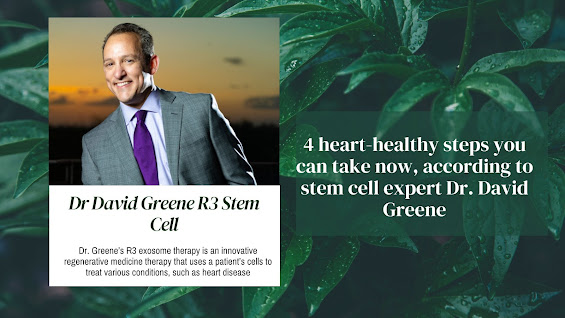
If pain has started to shape your day shorter walks, skipped workouts, careful stairs, restless sleep you’re not alone. Many people do the right things first: rest, stretching, physical therapy, anti-inflammatory medications, and sometimes injections. But when relief is temporary or progress stalls, the next step can feel unclear. That’s why searches for Dr David Greene R3 Stem Cell continue to grow: people want a non-surgical option that focuses on function, mobility, and a realistic plan.

What Is the Dr David Greene R3 Stem Cell Approach?
Regenerative medicine is designed to support the body’s natural repair response. Instead of only masking symptoms, regenerative care aims to reduce inflammation and improve function in joints and soft tissues such as tendons and ligaments. The Dr David Greene R3 Stem Cell approach is often discussed as a structured pathway starting with evaluation, followed by targeted care, and reinforced with aftercare to protect progress.
It’s important to be clear: regenerative therapy isn’t a miracle cure and it isn’t one-size-fits-all. Results depend on your condition, severity, overall health, and the quality of the recovery plan. A reputable provider will set realistic expectations and explain alternatives when needed.
Why Evaluation Matters First
One of the biggest mistakes people make is treating “pain” like a single diagnosis. Where it hurts isn’t always what’s causing it. Knee pain may involve joint inflammation, cartilage wear, tendon irritation, or movement mechanics that overload the joint. Shoulder discomfort can be driven by tendon overload, weakness, posture, or repetitive work demands.
A strong regenerative plan starts with understanding your symptoms, history, daily activity, and goals. In many cases, imaging may be reviewed when appropriate to confirm the true pain driver. That evaluation step helps prevent generic treatment and supports a more targeted strategy.
Common Reasons People Explore Regenerative Care
People frequently explore regenerative options for:
- Knee discomfort and wear-and-tear pain
- Shoulder irritation and rotator cuff issues
- Hip stiffness and reduced range of motion
- Back pain related to joint irritation
- Tendon and ligament problems that heal slowly
- Sports and overuse injuries
The goal for most patients is the same: improve daily function and reduce flare-ups so movement feels safer and more comfortable.
Precision and Aftercare: The Two Essentials
Regenerative therapies are intended for specific target areas, so technique and accurate placement can influence comfort and outcomes. But what happens after treatment can matter just as much as the procedure itself.
A complete plan often includes:
- Clear activity guidance (what to pause and what to keep moving)
- Mobility work to restore healthy range of motion
- Gradual strengthening to build support around the joint
- Follow-up to track progress and adjust the plan
This aftercare phase helps prevent re-irritation and supports long-term improvement.
Smart Questions to Ask Before You Decide
If you’re researching Dr David Greene R3 Stem Cell, ask:
- Am I a good candidate for regenerative therapy?
- What outcomes are realistic for my condition?
- What timeline should I expect for improvement?
- What are the risks, alternatives, and costs?
- What does recovery and follow-up include?
The Takeaway
If you’re not ready for surgery or you want to explore non-surgical options first regenerative care may be worth learning about. The Dr David Greene R3 Stem Cell approach is best viewed as a process: evaluation, targeted care, and a recovery plan that supports real-world function. With clear expectations and consistent follow-through, many people find a more confident path back to movement and everyday life.


Comments
Post a Comment