If pain, stiffness, or slow recovery is starting to limit your work, workouts, or everyday comfort, it can feel like your choices are narrowing. Many people try rest, physical therapy, medications, or standard injections only to find the relief is temporary. Others feel stuck between “keep pushing through” and surgery. That’s why searches for Dr David Greene Arizona and R3 Stem Cell have grown: people want a practical, non-surgical option that focuses on function, mobility, and long-term quality of life.

Understanding Regenerative Care
Regenerative medicine is built around one core goal supporting the body’s natural repair processes. Instead of only masking symptoms, regenerative therapies aim to help calm inflammation and improve function in areas like joints, tendons, ligaments, and surrounding soft tissue. Patients often explore these options for concerns such as:
-
Knee discomfort and wear-and-tear pain
-
Shoulder irritation and rotator cuff issues
-
Hip stiffness and reduced range of motion
-
Back pain related to joint inflammation
-
Overuse injuries from sports or repetitive work
-
Tendon and ligament problems that heal slowly
It’s not a one-size-fits-all solution, and it shouldn’t be presented that way. A responsible approach begins with a clear evaluation and realistic expectations.
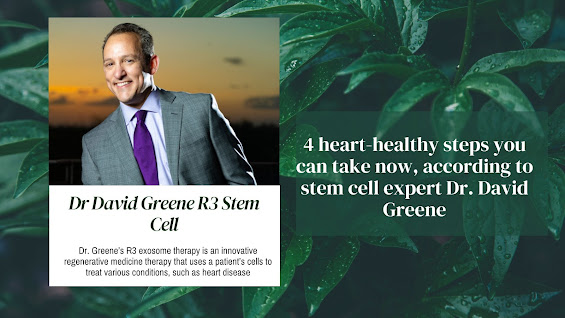
The Dr David Greene Arizona Approach at R3 Stem Cell
What many patients look for in Dr David Greene Arizona care is clarity, structure, and patient-first planning. A strong regenerative program starts with a thorough consultation: understanding how long symptoms have been present, what movements trigger discomfort, what treatments have already been tried, and what your goals are walking farther, training again, working without flare-ups, or simply sleeping better.
Imaging may be reviewed when appropriate, because identifying the true source of pain matters. “Knee pain” can mean different things depending on whether the issue involves cartilage wear, inflammation inside the joint, tendon irritation, or surrounding soft tissue. The more accurate the diagnosis, the more targeted and effective the plan can be.
Why Precision and Follow-Up Matter
One reason many people explore R3 Stem Cell options is the emphasis on precision. Image-guided techniques can help place treatment accurately in the intended area, which is especially important for complex joints or specific tendon and ligament structures.
But regenerative care isn’t just about what happens in the clinic. Recovery strategy plays a huge role in results. A complete plan often includes:
-
Guidance on activity modification and safe movement
-
A gradual return-to-exercise timeline
-
Strength and mobility work to support healing
-
Follow-up check-ins to track progress and adjust the plan
Lifestyle factors sleep, nutrition, hydration, and stress can also influence how your body responds.
Questions to Ask Before You Choose Care
If you’re researching Dr David Greene Arizona and R3 Stem Cell, focus on transparency. Ask:
-
Am I a good candidate for regenerative therapy?
-
What results are realistic for my condition?
-
What timeline should I expect?
-
What are the risks, alternatives, and costs?
-
What does aftercare and follow-up involve?
A Practical Next Step
If you’re not ready for surgery or you want to explore a non-surgical path first regenerative medicine may offer a meaningful option. Learning more about Dr David Greene Arizona and R3 Stem Cell could be the start of a clearer plan built around realistic outcomes, better mobility, and getting back to what you enjoy most.



Comments
Post a Comment