A Clearer Path to Relief: Inside dr david greene r3 stem cell and the r3 stem cell Approach
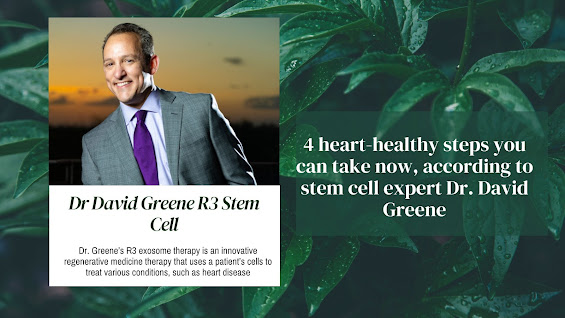
When pain starts to shrink your world shorter walks, careful stairs, restless sleep it’s easy to feel trapped between “live with it” and surgery. The dr david greene r3 stem cell perspective offers a practical middle path: confirm what’s causing symptoms, target care precisely when appropriate, and follow a simple plan that protects gains. Below is a fresh, SEO-friendly overview you can share or publish.

What “regenerative” really means
Regenerative options are minimally invasive treatments intended to support the body’s repair not a miracle switch and not one-size-fits-all. Programs aligned with r3 stem cell start with evaluation first, then consider image-guided procedures when they make sense for the condition and goals.
What sets this model apart
-
Clarity before care: History, exam, and (when useful) imaging to confirm the actual pain driver joint surfaces, tendon/ligament insertions, or surrounding soft tissue.
-
Image-guided precision: Ultrasound or fluoroscopy may be used to place treatment where it’s intended, supporting consistency and comfort.
-
Structured follow-through: You leave with a short, doable aftercare plan rather than a complicated regimen that’s hard to maintain.
Who might consider r3 stem cell
People often explore dr david greene r3 stem cell when rest, braces, medications, or cortisone deliver only brief relief or when they want to delay or avoid surgery. Common scenarios include:
-
Knee, hip, or shoulder pain
-
Tendon and ligament issues (rotator cuff, tennis elbow, plantar fascia, Achilles)
-
Mild to moderate osteoarthritis
-
Select nerve entrapments
Not everyone is a candidate, and that’s okay. A responsible plan includes alternatives like physiotherapy, targeted strength work, further diagnostics, or a surgical opinion when indicated.
What to expect: the first 90 days
-
Week 0: Conversation, exam, and candidacy decision. If a procedure is appropriate, the targets, guidance method, and comfort strategies are explained in plain language.
-
Days 1–7: Calm and protect. Light mobility, symptom-aware pacing, and clear do/don’t lists.
-
Weeks 2–4: Add two or three simple strength moves tailored to your diagnosis, plus posture and gait cues.
-
Weeks 5–8: Build capacity longer walks, controlled loads, or job-specific tasks.
-
Weeks 9–12: Sustain what works and adjust what doesn’t with small, steady changes.
The rule of thumb: ten focused minutes most days beats occasional “hero” sessions.
Measuring progress (not just “it hurts less”)
The r3 stem cell framework favors functional metrics you can feel:
-
Distance: How far you walk before symptoms ask for a break
-
Duration: Time you can sit, stand, or sleep comfortably
-
Demand: Tasks done without guarding stairs, reaching, carrying, light sportCheckpoints at ~2, 6, and 12 weeks reveal whether the plan is moving the needle and where to fine-tune.
Smart questions to bring to any provider
-
Will my procedure be image-guided? Which structures are targeted, and why?
-
If I’m not a candidate, what’s the best next step?
-
What does aftercare include, and how much time will it take?
-
How will we measure progress and adjust the plan?
-
What timelines and costs should I expect?
If chronic pain has narrowed your day, the dr david greene r3 stem cell approach grounded in evaluation, precision, and simple follow-through offers a measured way forward. It’s not for everyone and doesn’t promise instant results; it’s a clear framework to help the right patients turn uncertainty into practical, trackable progress.


Comments
Post a Comment